The Repair Process: What to Expect
From the day you drop your vehicle off to the day you pick it up, here is every step your repair goes through, and how we keep you posted the whole way. A collision repair has more moving parts than most people expect. Knowing the path your vehicle takes makes the wait easier and tells you what's happening at each stage.
When will my car be ready?
The honest answer is that it depends on your vehicle and your repair. How long a job takes comes down to how much damage there is, whether we find more once we open things up, how fast your insurance approves the work, how quickly parts arrive, and whether the vehicle needs alignment or sensor calibration at the end.
We give you a realistic timeline once we've assessed the vehicle, and we update you every Tuesday and Thursday so you're never guessing. What follows is the full path your repair takes.
The short version
Your repair moves through four phases:
- 1
Estimate and approval.
We assess the damage, get insurance approval, and schedule the work.
- 2
Repair planning.
We disassemble the vehicle, find any hidden damage, and order parts.
- 3
Repairs and refinish.
We straighten, replace, and rebuild, then paint.
- 4
Reassembly, quality assurance, and delivery.
We put it back together, calibrate and inspect, clean it, and call you.
Below is what happens in each phase, step by step.
The four phases of your repair
Phase 1: Estimate and approval
This is where the plan and the paperwork come together before any wrench turns.
- We complete your initial estimate.
- Your insurance approval is received.
- We review the estimate and develop your repair plan.
- We schedule your vehicle for repairs.
- You receive appointment reminders.
- You drop the vehicle off and we finalize the repair order.
- We pre-wash the vehicle and prepare it for disassembly.
Phase 2: Repair planning
Most accidents hide some damage you can't see from the outside during the initial inspection, so this phase is about finding all of it before the work begins.
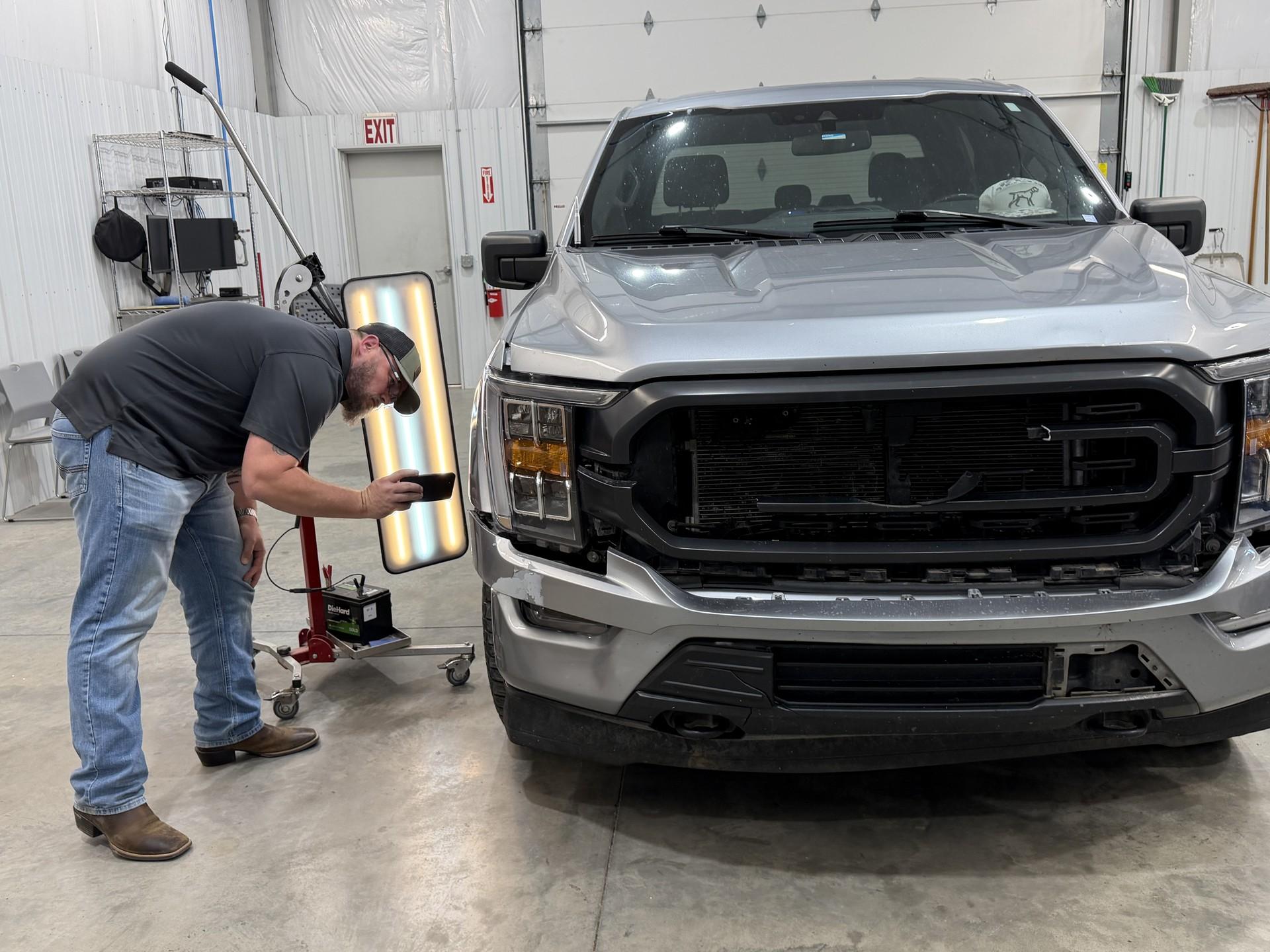
- We disassemble the vehicle to assess the damage.
- We document any hidden damage.
- We prepare and submit a supplement estimate for that added damage.
- Insurance approval for the supplemental damage is received.
- We order parts.
- You receive a repair status update.
- Parts arrive and we inspect them.
- The vehicle enters production.
Phase 3: Repairs and refinish
This is the hands-on rebuild, from structure to color.
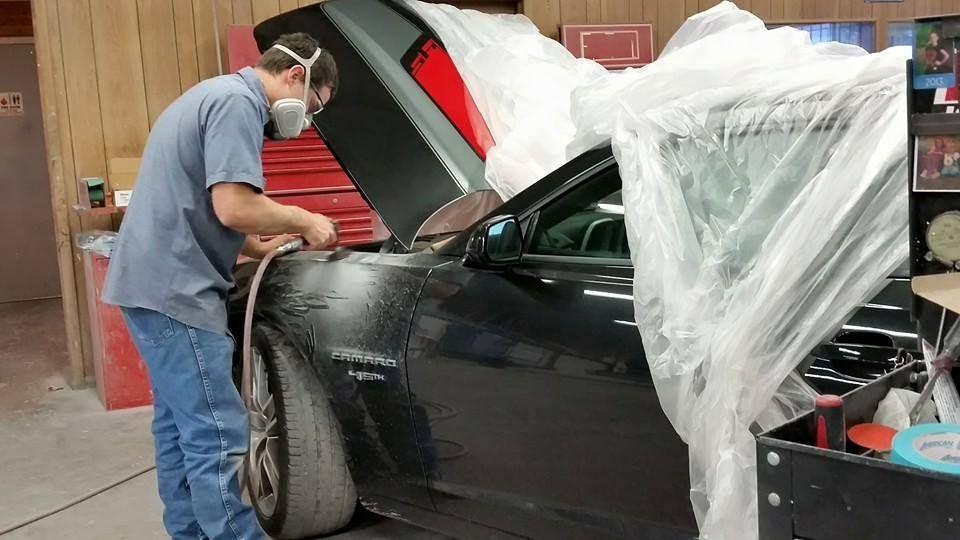
- Structural and body repairs begin.
- We install new panels and parts as needed.
- We complete bodywork and test fitting.
- The vehicle moves to the paint department.
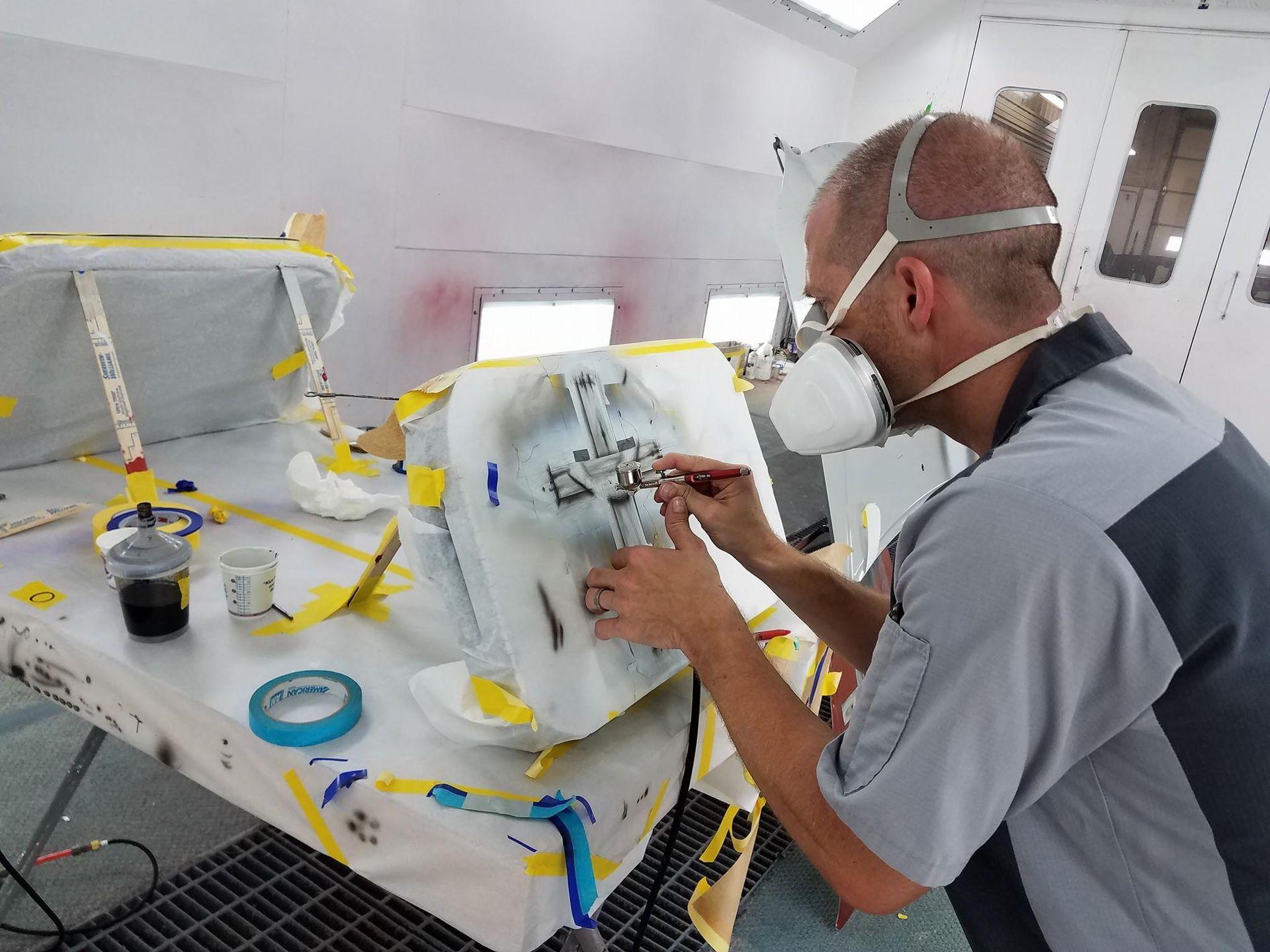
- We prep and mask the vehicle and verify the color.
- The vehicle enters the paint booth, where it is wiped down and basecoat and clearcoat are applied.
Phase 4: Reassembly, quality assurance, and delivery
The repair isn't finished until it's safe, complete, and clean.
- We polish the vehicle as needed.
- The vehicle goes back to the technician for reassembly.
- Sublet work is performed (alignment, wheel replacement, calibrations, and the like).
- We complete a post-repair scan and a test drive.
- We complete a quality control inspection.
- The vehicle goes through a final cleaning before pickup.
- We confirm your pickup time and date and let you know it's ready.
What affects how long a repair takes
A few things move the timeline more than anything else:
We can't promise a fixed number of days, because pushing a date often means rushing a repair. What we can promise is honesty about where your vehicle is and what's left.
- How much damage there is: A bumper is a different job than a quarter panel and a bent frame.
- Hidden damage: Once we disassemble the vehicle, we often find damage the first look couldn't show. That triggers a supplement, which needs its own insurance approval.
- Parts availability: Most parts arrive quickly, but a back-ordered or hard-to-source part can hold things up, and that part is usually out of everyone's hands.
- Insurance approvals: The repair can't move forward until the insurer signs off on the estimate and any supplements.
- Alignment and calibration: Newer vehicles often need wheel alignment and safety-system calibration at the end, which we don't skip.
How we keep you informed
You'll hear from us with a status update every Tuesday and Thursday, and you can call anytime during business hours to check in. After you request an estimate, we usually get back to you within eight business hours. One shop, one point of contact, and no chasing for answers.
 I-CAR Gold Class
 GM Certified
 Toyota Certified
 Kia Certified
 Hyundai Certified
 Chrysler Certified
 BBB A+ Rated
FAQ
It depends on the damage, the parts your vehicle needs, how fast your insurer approves the work, and whether alignment or calibration is required at the end. We give you a realistic timeline after we assess the vehicle, and we update you every Tuesday and Thursday so you always know where things stand.
Repairs move through four phases: estimate and approval, repair planning (disassembly and parts), repairs and refinish (bodywork and paint), and reassembly, quality assurance, and delivery. Within those phases are the specific steps from finalizing your repair order to the final inspection and pickup.
Usually because of a supplement. When we disassemble the vehicle, we often find damage the first look couldn't reveal. That added work needs its own insurance approval and sometimes more parts, which extends the timeline. It also means the repair is being done completely rather than rushed.
A supplement is an addition to the original estimate. After we disassemble the vehicle and find hidden damage, we document it and submit it to your insurance company for approval before that work goes ahead. It's a normal part of most collision repairs, not a sign that something went wrong.
Yes. We send a status update every Tuesday and Thursday, and you're welcome to call during business hours anytime you want to check in. You deal with one shop and one point of contact, so you're not chasing answers across departments.
Yes. Many newer vehicles need their cameras and driver-assist sensors calibrated after a repair, and we handle that in-house following the manufacturer's procedures. We also run a post-repair scan and a test drive before the vehicle passes our quality control inspection.
Your vehicle stays with us once production begins, which keeps the time off the road as short as the repair allows. We'll tell you when to bring it in when we schedule the work.
Send a few photos of the damage through our online estimate tool, or call us at (620) 663-8742. The estimate is free with no obligation, and we usually respond within eight business hours. From there we handle the insurance side and schedule your repair.